





James Alberione
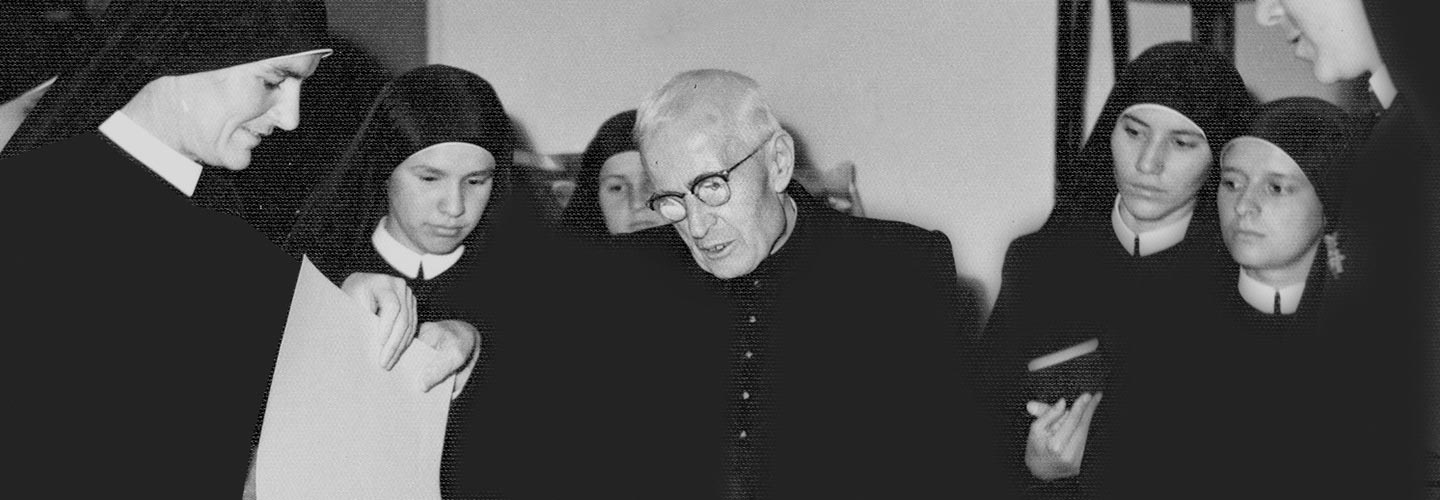
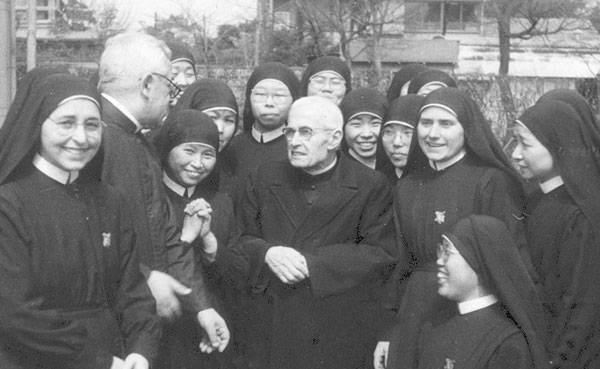
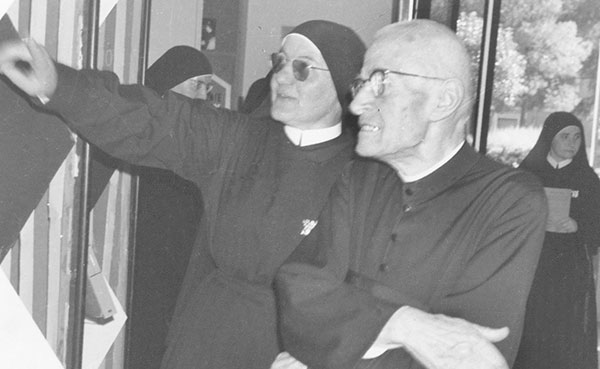
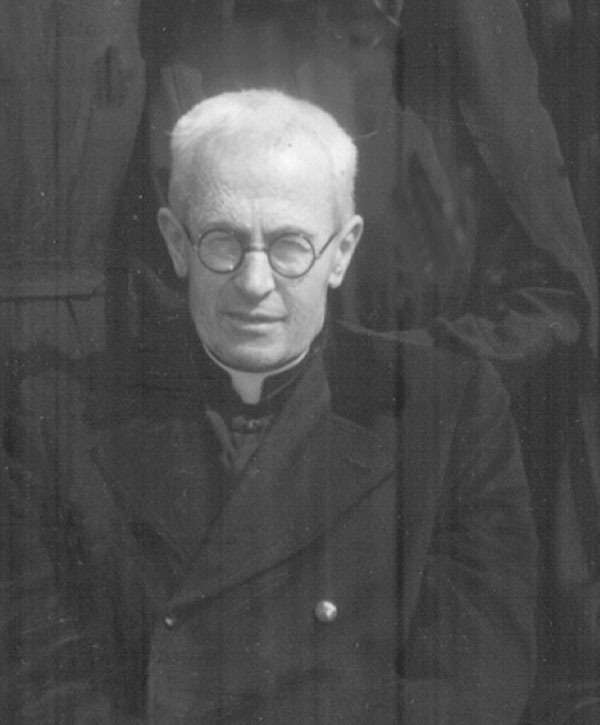
James Alberione was born in San Lorenzo di Fossano (Piedmont), Italy, on April 4, 1884. The Alberione family, made up of Michael Alberione, Teresa Allocco and their six children, were farmers. Little James, the fourth child of the family, felt the call of God early in life. When questioned by his first-grade teacher as to what he wanted to be when he grew up, he replied, “I want to be a priest!”. His childhood years were directed to this goal.
memories of the past
Fr Alberione served as spiritual director to both the major and minor seminarians in the Seminary of Alba, where he also taught various subjects. He helped out with preaching, catechesis and giving conferences in the various parishes of the diocese. In addition to this, he devoted much time to studying the civil-ecclesial situation and the newly-emerging needs of society.
At the end of the Holy Year of 1900, James, who had read and reflected deeply on Pope Leo XIII’s encyclical, Tametsi Futura, underwent an experience that would give direction to the rest of his life. On the night of 31 December 1900, the night that divided the 19th and 20th centuries, he prayed for four hours before the Blessed Sacrament and contemplated the future in the light of God. A “particular light” seemed to come from the Host. He strongly felt an obligation to do something for the Lord and for the people of the new century using the means of communication.
Alberione felt that the apostle Paul was the example that he should follow. He believed that, like Paul, he was called to preach the gospel to everyone. But unlike Paul, Alberione wanted to do this through modern communication methods. On August 20, 1914, he founded in Alba the Pious Society of St Paul for evangelization with the media of social communication, press, cinema, television, radio and other modern media.
Alberione said that, ”the first concern of the Pauline Family should be holiness of life; the second, holiness of doctrine.” He taught followers to dedicate themselves to Jesus (Master and Shepherd), Mary (mother, teacher and queen of the apostles) and to St. Paul.
After founding the “Little Printing School” (now Society of St Paul) he gathered a group of women. The first woman to follow Fr Alberione was 21-year-old Teresa Merlo from Castagnito (Cuneo). With her help, Fr Alberione began a feminine Congregation in 1915: The Daughters of St. Paul.
The following year, in 1924, a second feminine Congregation came into being: The Pious Disciples of the Divine Master, the contemplative members of the Pauline Family whose members would be especially dedicated to Eucharistic Adoration, Liturgical Preparations, and Priestly Service. Fr Alberione chose Sr Maria Scholastica Rivata as his collaborator to give life, to the Congregation of the Sister Disciples of the Divine Master.
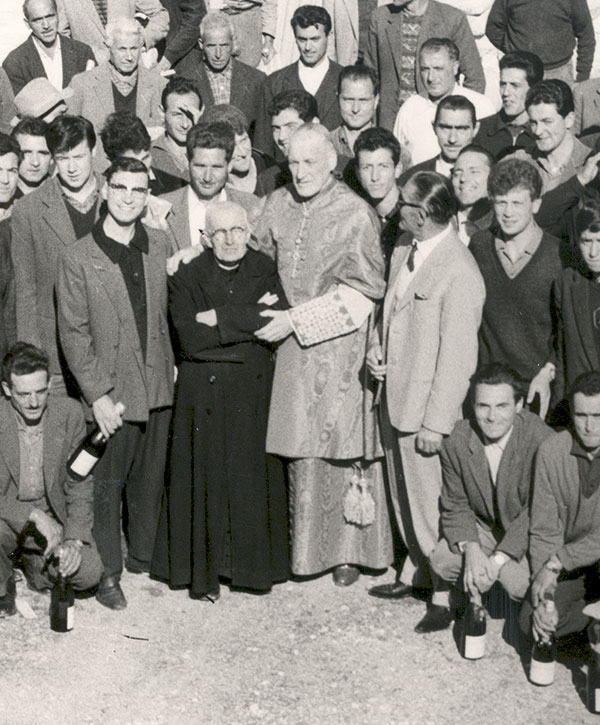
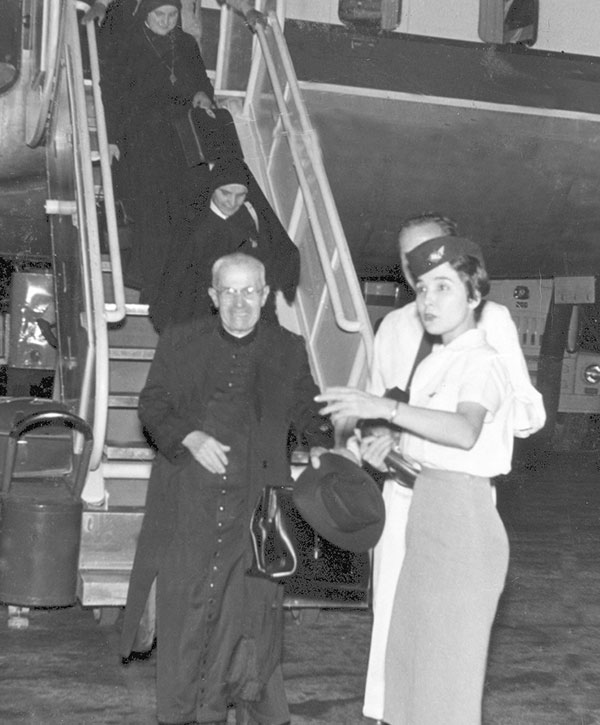
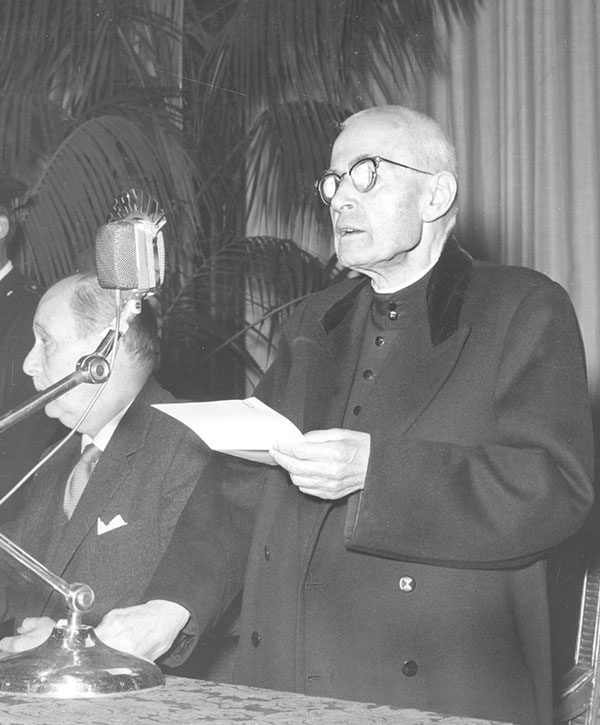
More congregations and institutes followed after.
In 1923, the mission’s growth was hindered when Alberione fell very ill. His recovery was called miraculous by some; Alberione credited this to St. Paul, saying, ”St. Paul healed me.” His also said that the following phrase was given to him from this time: ”Do not be afraid. I am with you. From here I want to enlighten. Be sorry for sin.” This quote shaped much of the work he would go on to accomplish in the rest of his life.
Alberione served during the Second Vatican Council as a peritus (theological expert), participating in the private sessions during which the decrees of the Council were formed and shaped, for the approval of the Council Fathers in full session.
On Nov. 26, 1971, at the age of 87, comforted by the visit and blessing of Pope Paul VI, Fr. Alberione left this earth to return to the house of the Father. He was beatified by Pope John Paul II, in Rome, on the 27th of April 2003.
St Pope Paul VI on Bl. James Alberione
Blessed James Alberione has been described by Pope Paul VI as ”humble, silent, tireless, always vigilant, recollected in his thoughts, which run from prayer to action; always intent on scrutinizing the ‘signs of the times,’ that is, the most creative ways to reach souls.” How did he earn this impressive tribute?